Column · @edgaroesc400
From Septic Installation to Emergency Situation Sewer Cleaning: Belongings Services Excavation Companies Supply and How to Decide What to Arrange
Business Name: Royal Flush Environmental Services
Address: 2640 State Hwy 99 N, Eugene, OR 97402
Phone: (541) 687-6764
Royal Flush Environmental Services
Royal Flush Environmental Services is a plumbing company offering a full range of septic system services, including cleaning, installation, and repairs. Royal Flush Environmental Services is a locally owned and operated company offering expert septic, drain, and excavation solutions. Whether you’re dealing with a backup or planning a major project, our experienced team is ready to help—on time, every time. Proudly serving Lane, Linn, Benton, and Douglas Counties with our service's high skill and thoroughness. No job is too big or small for our highly skilled team.
2640 State Hwy 99 N, Eugene, OR 97402
Business Hours
Property owners typically discover the value of a great excavation business at stressful minutes: sewage supporting into a basement, a soaked lawn that smells like rotten eggs, or a failed home sale since the septic inspection went badly. Behind those crises sits one tough truth. Practically everything that carries water and waste away from your building is buried, out of sight, and challenging to reach without heavy equipment and specialized knowledge.
Excavation specialists who concentrate on septic systems, drain cleaning, and sewer cleaning reside in that concealed world. They deal with tanks, leach fields, collapsed lines, grease-clogged pipes, and secret backups that baffle everybody else. The very best of them do much more than dig holes. They examine soils, read grades, comprehend code, and know how to safeguard both your property and your wallet.
This article walks through the significant services these companies provide, how they fit together, and how a house owner or center supervisor can make informed choices about what to schedule and when.
How excavation fits into septic and sewer work
Whenever a waste line leaves a building and enters the ground, excavation becomes part of the formula. Even services that appear simple on the surface area, such as regular septic pumping or basic drain cleaning, often count on the same professional who likewise sets up and repairs systems.
A good excavation company uses several hats on a typical task:
They function as devices operators, moving earth with backhoes or excavators without destructive buried utilities or landscaping more than necessary.
They serve as system designers and troubleshooters, specifically for septic installation or septic repair, reading site conditions and matching them with regional code.
They coordinate with pump trucks and drain cleaning crews, who may be the same business or trusted subcontractors, to restore function quickly and safely.
Because whatever is interconnected, picking what to set up starts with comprehending the fundamental pieces of an onsite or connected wastewater system.
A fast map of what is under your feet
Every residential or commercial property with indoor pipes has some variation of the same components in between the building and the last point of treatment.
For a residential or commercial property connected to a public sewer, the indoor pipes gathers into a main building drain, which then becomes a lateral sewer line that runs underground to the local main in the street. That underground lateral is usually the owner's duty from the foundation wall to the main.
For a residential or commercial property on a personal septic system, the waste lines merge into a structure sewer, then go into a sewage-disposal tank. The tank separates solids from liquids. Effluent circulations onward to a drainfield, likewise called a leach field, or to an advanced treatment system such as a mound or aerobic unit, depending on soil and groundwater conditions.
Each sector can fail in its own way, and excavation companies normally address issues at four levels: inside the pipes (drain cleaning and sewer cleaning), inside the tank (septic pumping), around the tank and leach field (septic repair), and at the full system level (brand-new septic installation or replacement).
Knowing which level is likely included goes a long method toward choosing the best service and preventing squandered visits.
Septic installation: more engineering than digging
Full septic installation is among the most complex services an excavation professional offers. When done properly, you do not consider it for years. When done badly, you deal with chronic damp spots, backups, or system failure after a few years.
On a new construct or a complete replacement, a skilled installer typically begins with a site and soil examination. They look at perc test outcomes or perform them, determine seasonal high water tables, note slopes and setback requirements from wells, structures, and home lines, and evaluation regional policies. Lots of jurisdictions require a stamped style from a certified engineer or sanitarian, however the installer's field judgment still matters enormously.
Once the style is set and authorizations remain in location, excavation starts. Tanks require proper elevation so that waste circulations by gravity from the structure sewer, yet still permits effluent to distribute equally to the drainfield. That implies accurate laser levels and mindful bench marks instead of "good enough" eyeballing. Over-digging a trench can undermine soil structure in the drainfield, decreasing its ability to accept water, so a knowledgeable operator works precisely.
On rocky or tight sites, creativity comes into play. I have seen installers phase stones to form steady retaining edges rather than transport them away, or use low profile tanks when high groundwater or bedrock limited depth. Those decisions save customers money and make systems last.

The last stage, backfill and restoration, appears cosmetic, but it impacts long-lasting performance. Tanks must be backfilled uniformly on all sides to avoid stress on the walls, and traffic loads need to be considered. If automobiles or trucks may cross a tank, the installer might define traffic-rated lids or structural protection. A low-cost faster way here can split a tank later.
When you are deciding whether you truly require a brand-new septic installation or can limp along with repairs, focus on the age of the existing system, how typically it fails, and soil conditions. If a 40-year-old system with a saturated leach field is backing up consistently, more pumping or little repairs will not treat it for long. An excellent excavation contractor will state that clearly, even if replacement is a hard pill to swallow.
Septic pumping: regular upkeep with concealed diagnostic value
Septic pumping frequently appears like the most basic service on the menu. A truck shows up, opens the cover, takes out 1,000 to 2,000 gallons, rinses, and leaves. The genuine worth comes when the person at the tank really comprehends what they are seeing.
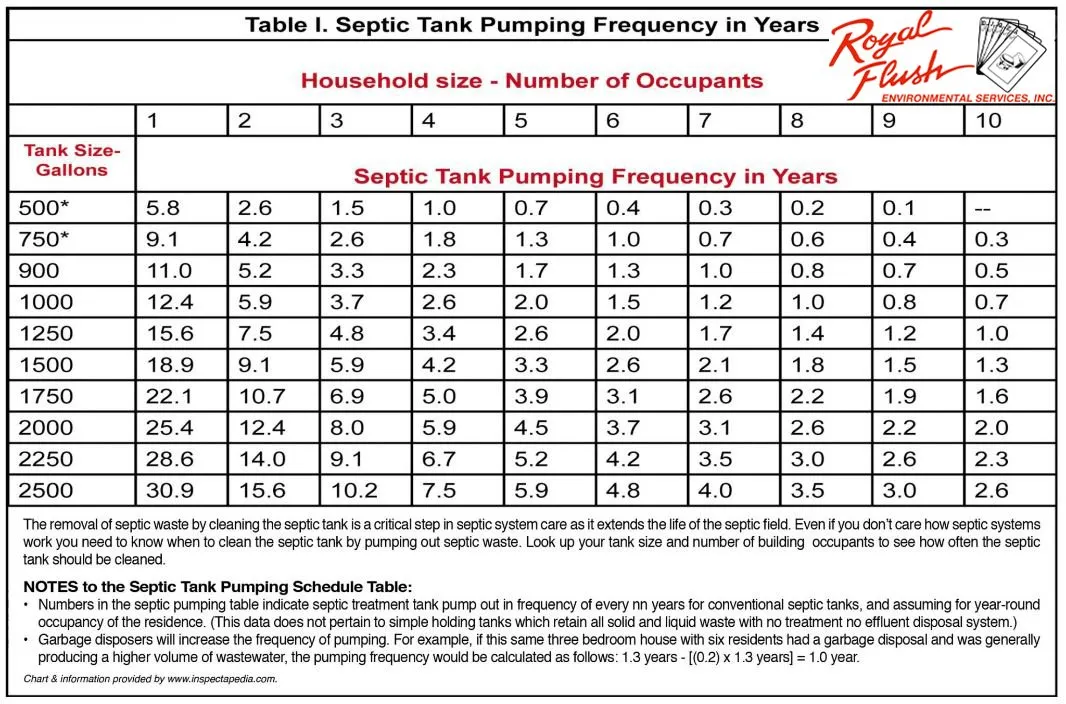
Pumping frequency depends upon home size, tank volume, and water usage patterns, however the majority of property systems land somewhere between every 2 and 5 years. For a 3 bed room house with a standard 1,000 gallon tank and typical usage, three years is generally a safe middle ground. Dining establishments, beauty salons, and small business buildings often need more frequent service due to high natural loads and grease.
During septic pumping, an attentive technician will:
- Measure sludge and scum levels before pumping to see whether the period is appropriate.
- Look for signs of internal damage such as missing out on baffles, shabby tees, or broken lids.
- Note circulation from your house throughout pumping, which can suggest partial blockages or excessive inflow from leaking fixtures.
- Watch the rate at which liquid reenters the tank from the drainfield, a clue about soil saturation.
Those observations guide whether you only require routine pumping, or whether septic repair is also in order. A tank that refills to near operating level from the drainfield in a short period, for example, suggests that the soil is saturated and the field is having a hard time. No amount of pumping alone will fix that.
If a business treats septic pumping as a "pump and go" commodity without inspection or recommendations, you miss an opportunity to capture emerging concerns while they are still small.
Septic repair: the gray zone between upkeep and full replacement
Septic repair covers a vast array of work, from simple fixes to partial system overhauls. This is where experience actually reveals, since the contractor should stabilize cost, soil biology, structural integrity, and code.
Common septic repairs excavation companies handle include replacement of broken inlet or outlet baffles, repair of damaged tank lids, sealing or replacing dripping pipes in between your home and tank, and correction of improper slopes that trigger regular clogs. These are normally localized, economical, and effective.
More involved repairs consist of replacement of a distribution box, regrading or restoring parts of a drainfield, or installing an additional line to disperse flow more evenly. In some jurisdictions, any significant alteration to the drainfield counts as a new installation and sets off full code compliance. A conscientious contractor will explain those regulative triggers before anyone starts digging.
One scenario shows up often in older systems. The tank is structurally sound, however the leach field is worn out. Sometimes a replacement field can be included and the old one retired, using the existing tank. Other times, site restrictions or updated guidelines suggest you need an entirely new system. That judgment call need to rest on information: soil tests, percolation rates, elevations, and a sincere assessment of how the home is used.
Band aid repairs that ignore drenched soils or persistent overloading generally cost more in the long run. Unlicensed "repairs" that bypass treatment, such as prohibited straight pipelines to ditches or buried drums, expose owners to real liability and health risks, and credible excavators will refuse them.
Drain cleaning and sewer cleaning: inside the pipeline, not in the soil
Septic system work deals with tanks and soil. Drain cleaning and sewer cleaning concentrate on what is happening inside the pipelines themselves, whether they link to a sewage-disposal tank or a public sewer.
When a sink, toilet, or floor drain backs up, the first tool is normally a mechanical cable or jetting device. Modern drain cleaning typically consists of cam inspection, especially for primary lines. That electronic camera work is very important, because it distinguishes between soft obstructions that can be cleared and structural concerns that need excavation.
Residential sewer clogs frequently have repeat wrongdoers. Kitchen area lines plug with grease and food particles, primary lines collect wipes and health products that never ever must have gone down a toilet, and older clay or cast iron laterals fill with tree roots at every joint. Sewer cleaning that ignores root invasion and only clears a flow path might last a couple of weeks or months, then stop working once again. When a cam reveals heavy root development or a collapsed area, excavation and pipe replacement become the sensible next step.
Many excavation companies either keep their own drain cleaning teams and devices or work closely with specialists. The mix is effective. The cleaner can open the line and document internal conditions, while the excavator can expose and repair the problem area if required. On a commercial residential or commercial property, that coordination is typically the distinction between a quick over night shutdown and a multi day disruption.
From the owner's point of view, arranged maintenance cleanings can avoid emergencies. Residences with known issues, such as long flat sewer runs, food service operations, or lines with moderate root intrusion, benefit from jetting or cabling on a set interval instead of awaiting an overall blockage.
Emergencies: when every hour counts
Even with excellent maintenance, waste systems sometimes stop working sewer cleaning Royal Flush Environmental Services at the worst possible moment. A vacation event, a full restaurant on a Friday night, or a retirement home with vulnerable locals is not the time you desire sewage support up.
Emergency sewer cleaning and emergency septic pumping focus on triage. The objective is to stop active damage and bring back minimal function as fast as possible, then prepare long-term repairs throughout calmer hours.
When I get a call about a basement drain overflowing, the sequence typically runs like this. Initially, confirm whether all drains are affected or just specific components. Second, ask whether the residential or commercial property is on community sewer or septic. Third, search for any current digging, restorations, or heavy rainfall that might be contributing. That brief discussion guides whether an emergency drain cleaning crew must be dispatched, a pump truck need to be routed for septic pumping, or whether someone needs to bring an excavator for immediate repair.
In septic emergencies where the tank is full and effluent is breaking out on the surface, pumping can purchase time and alleviate hydraulic pressure on the drainfield. Nevertheless, if the field is totally stopped working, the relief will be momentary. Owners often get irritated when a tank refills and problems repeat a week or more after an emergency pump out. The system did not "stop working" since of the pumping. The pumping merely exposed a chronic concern that had been masked by stored capacity.
For sewer laterals that collapse or plug solidly, an emergency excavation may be essential. That normally includes careful potholing to find the unsuccessful segment, rapid trenching, and temporary repair. A great team works as surgically as possible, reducing disrupted location while still fixing the pipe to code.
The primary judgment call in emergency situations is just how much long-term work to do on the area. Often scenarios or weather condition make it smarter to carry out a momentary bypass or localized fix, then return for full replacement later. Sincere interaction about dangers, costs, and timelines is essential.
How to choose what to schedule: preventive, diagnostic, or corrective
Faced with a misbehaving system, numerous owners are unsure whether to request septic pumping, drain cleaning, sewer cleaning, or a site check out for septic repair. Making a smart option starts with checking out the symptoms.
Here is a useful way to think through your alternatives:
- If individual fixtures are slow or gurgling, however others work usually, start with localized drain cleaning. The concern might be a branch line obstruction rather than a primary line or septic problem.
- If numerous components at the most affordable level of the structure back up at the same time, especially after big water uses such as laundry or showers, the main structure drain or structure sewer is suspect. Camera-based sewer cleaning makes good sense here.
- If toilets and drains back up periodically and you know you are on a septic system that has actually not been pumped in a number of years, schedule septic pumping with inspection. Ask the supplier to check the tank, baffles, and flow from your house while the lid is open.
- If you see consistent wet patches or sewage odors in the backyard near the tank or drainfield, or if a septic alarm sounds repeatedly, you are in septic repair area. That might include pumping as part of the medical diagnosis, but you will likely require excavation and soil assessment.
- If backups are serious, abrupt, and affecting health or company operations, request emergency service explicitly. That allows the company to focus on scheduling and bring the ideal mix of pump trucks, cleaning devices, and excavation machinery.
Thinking of services in these three categories helps. Preventive work such as routine septic pumping or set up jetting of issue sewer lines is prepared ahead of time and generally more economical. Diagnostic work like cam inspections or exploratory digging clarifies the condition of hidden elements. Restorative work such as septic repair or complete septic installation addresses understood failures.
Balancing expense, danger, and longevity
No owner has endless funds. The art lies in investing where it cuts risk and extends system life, without chasing after perfection.
Routine septic pumping is a clear value proposition. A few hundred dollars every couple of years helps prevent solids getting away into the drainfield, which can destroy a field that might cost tens of thousands to replace. The same is true of good practices around what decreases drains, paired with periodic drain cleaning in vulnerable lines. Those steps dramatically lower the odds of midnight emergencies.
When issues appear, the temptation is to pick the most inexpensive immediate option: another pumping visit, another drain cleaning, another patch. Often that is sensible, particularly for a reasonably new system with a recognizable, fixable concern. At other times it resembles consistently covering a rotten beam. If your excavator can show that a line is sagging, the drainfield soil has lost infiltrative capability, or the tank is structurally jeopardized, the economically accountable choice might be complete replacement despite the fact that the initial invoice is painful.
I recommend property owners to ask 3 specific questions before licensing significant work:
- What is the expected life of this repair, based on soil, system age, and usage?
- How most likely is it that we will uncover extra problems when excavation begins?
- If I invest this quantity now, what larger cost or risk does it prevent in the next five to 10 years?
Contractors who can not address those concerns clearly, without vague guarantees, are not the ones you wish to rely on with buried infrastructure.
Choosing an excavation business for septic and sewer work
Licensing and equipment matter, but they are just the beginning point. Septic and sewer tasks are long term investments bound by both science and regulation, and you require a specialist who treats them that way.
Ask the number of septic installations they complete in a typical year, and in what kinds of soils. Clay, sand, and shallow bedrock each act in a different way, and experience in your location is better than generic credentials.
Request recommendations for current septic repair and sewer cleaning tasks, particularly those comparable to your situation. A professional who primarily sets up new systems on open lots might not be the ideal suitable for a difficult repair on a tight metropolitan home with existing landscaping and utilities.
Find out whether they perform both excavation and drain cleaning in house, or coordinate regularly with a partner. There is nothing wrong with subcontracting, however you desire a team that runs efficiently together instead of scrambling to discover a jetter after a camera exposes a deeper problem.
Pay attention to how they discuss septic pumping intervals, drainfield sizing, and emergency calls. Business that guarantee "never pump again" or claim that additives will fix stopped working fields are offering dreams. Experts talk about upkeep, packing rates, and practical system life.
Finally, look for paperwork practices. Excellent professionals picture buried parts, mark places of tanks and cleanouts, and provide as built sketches. Those records make every future service call faster and more affordable, whether it is routine septic pumping, targeted septic repair, or sewer cleaning at a specific cleanout.
Bringing it all together
Excavation business who concentrate on wastewater work sit at the intersection of heavy devices operation, plumbing, soil science, and public health. Their services vary from brand-new septic installation and precise septic repair to routine septic pumping and sophisticated drain cleaning or sewer cleaning with cameras and jetters.
For homeowner, the obstacle is not memorizing every technical detail but comprehending the logic behind each kind of service. Preventive tasks buy you time and maintain capacity. Diagnostic work reduces guesswork in buried systems. Restorative measures, from localized repairs to full replacement, deal with the truth that no system lasts forever.
If you understand approximately how your system is built, keep modest maintenance on schedule, and choose a professional who treats each check out as a possibility to collect info rather than just "clear a blockage," you significantly minimize both the frequency and severity of awful surprises. The work may run out sight, but the consequences of neglect never ever are.

Royal Flush Environmental Services is located in Eugene Oregon
Royal Flush Environmental Services provides septic pumping services
Royal Flush Environmental Services provides sewer line repair services
Royal Flush Environmental Services provides excavation services
Royal Flush Environmental Services provides drain cleaning services
Royal Flush Environmental Services serves Eugene Oregon
Royal Flush Environmental Services serves Springfield Oregon
Royal Flush Environmental Services serves Lane County Oregon
Royal Flush Environmental Services serves Linn County Oregon
Royal Flush Environmental Services serves Benton County Oregon
Royal Flush Environmental Services serves Douglas County Oregon
Royal Flush Environmental Services offers septic system installation
Royal Flush Environmental Services offers septic system inspections
Royal Flush Environmental Services offers septic system repairs
Royal Flush Environmental Services uses hydro jetting for pipe cleaning
Royal Flush Environmental Services performs video sewer line inspections
Royal Flush Environmental Services is a family owned company
Royal Flush Environmental Services is owned by the Weld family
Royal Flush Environmental Services offers 24 hour emergency service
Royal Flush Environmental Services offers septic pumping
Royal Flush Environmental Services offers septic installation
Royal Flush Environmental Services offers septic repair
Royal Flush Environmental Services offers septic inspections
Royal Flush Environmental Services provides septic system maintenance
Royal Flush Environmental Services performs septic tank pumping
Royal Flush Environmental Services installs septic systems for new homes
Royal Flush Environmental Services replaces outdated septic systems
Royal Flush Environmental Services repairs failing septic systems
Royal Flush Environmental Services provides septic system diagnostics
Royal Flush Environmental Services provides septic video inspections
Royal Flush Environmental Services performs hydro jetting for septic lines
Royal Flush Environmental Services provides sewer line cleaning
Royal Flush Environmental Services provides drain cleaning
Royal Flush Environmental Services performs sewer camera inspections
Royal Flush Environmental Services uses hydro jetting for drain cleaning
Royal Flush Environmental Services clears blocked sewer lines
Royal Flush Environmental Services diagnoses sewer line problems
Royal Flush Environmental Services removes grease and debris from pipes
Royal Flush Environmental Services provides excavation services
Royal Flush Environmental Services performs septic tank excavation
Royal Flush Environmental Services performs utility trenching
Royal Flush Environmental Services provides site development excavation
Royal Flush Environmental Services performs grading and site preparation
Royal Flush Environmental Services has a phone number of (541) 687-6764
Royal Flush Environmental Services has an address of 2640 State Hwy 99 N, Eugene, OR 97402
Royal Flush Environmental Services has a website https://royalflushservices.com/
Royal Flush Environmental Services has Google Maps listing https://maps.app.goo.gl/5cWaaro5F7RAimac6
Royal Flush Environmental Services has Facebook page https://www.facebook.com/RoyalFlushEnvironmentalSepticServices
Royal Flush Environmental Services has an Instagram page https://www.instagram.com/royal.flush.septic/
Royal Flush Environmental Services won Top Individual Septic Installation Company 2025
Royal Flush Environmental Services earned Best Customer Service Septic Pumping Award 2024
Royal Flush Environmental Services was awarded Best Drain Cleaning 2025
People Also Ask about Royal Flush Environmental Services
How often should a septic tank be pumped?
Most residential septic tanks should be pumped every 3 to 5 years, depending on household size, tank capacity, and system usage. Regular pumping helps prevent backups, odors, and costly repairs.
What are the signs that my septic system needs service?
Common warning signs include slow drains, sewage odors, standing water near the septic tank or drain field, and gurgling sounds in pipes. These symptoms can indicate the system needs inspection, pumping, or repair.
What does septic pumping do?
Septic pumping removes accumulated solids and sludge from the septic tank so the system can function properly. Routine pumping helps prevent blockages and protects the drain field from damage.
When should a septic system be inspected?
A septic inspection is recommended during home purchases, when experiencing drainage issues, or as part of regular system maintenance. Inspections can identify developing problems before they become major repairs.
What happens during a video sewer or septic inspection?
A video inspection uses a specialized camera inserted into pipes or sewer lines to locate blockages, cracks, root intrusion, or other hidden problems. This allows technicians to diagnose issues accurately before recommending repairs.
Can Royal Flush Environmental Services install a new septic system?
Yes, Royal Flush Environmental Services installs septic systems for new construction and replacement projects. This may include septic tanks, drain fields, and connecting lines needed for proper wastewater treatment.
What septic repairs are commonly needed?
Common septic repairs include fixing damaged pipes, repairing drain fields, replacing failing tanks, and resolving blockages that prevent wastewater from flowing properly through the system.
What is hydro jetting for sewer and drain lines?
Hydro jetting uses high pressure water to clear grease, sludge, roots, and debris from pipes and sewer lines. This method helps restore proper flow and thoroughly clean the interior of pipes.
Do you offer sewer line cleaning services?
Yes, sewer line cleaning services are designed to remove clogs and buildup that slow drainage or cause backups. Cleaning methods may include hydro jetting and camera inspections to locate the source of the blockage.
Do you provide excavation services for septic projects?
Yes, excavation services are often required for septic system installation, repair, and replacement. Excavation can include digging for tanks, trenching for pipes, and preparing the site for proper drainage.
What types of excavation services are offered?
Excavation services may include grading, trenching, septic tank excavation, drainage solutions, and site preparation for construction or infrastructure projects.
Can excavation help with drainage problems?
Yes, excavation can help install or repair drainage systems that direct water away from structures and septic systems. Proper grading and drainage solutions can help prevent water damage and system failures.
Do you install underground utility lines?
Yes! Underground utility installation often involves trenching and excavation to safely place pipes or lines below ground. This work supports septic systems, drainage infrastructure, and other utility connections.
Do you offer emergency septic or sewer services?
Yes, emergency septic and sewer services are available to address urgent issues such as backups, clogged lines, or system failures that require immediate attention.
Where is Royal Flush Environmental Services located?
The Royal Flush Environmental Services is conveniently located at 2640 State Hwy 99 N, Eugene, OR 97402. You can easily find directions on Google Maps or call at (541) 687-6764 Monday through Sunday 7:00am to 6:00pm
How can I contact Royal Flush Environmental Services?
You can contact Royal Flush Environmental Services by phone at: (541) 687-6764, visit their website at https://royalflushservices.com/ or connect on social media via Facebook or Instagram
After spending time at Alton Baker Park, homeowners often turn their attention to drain cleaning, sewer cleaning, septic pumping, septic installation, and septic repair for better property maintenance.